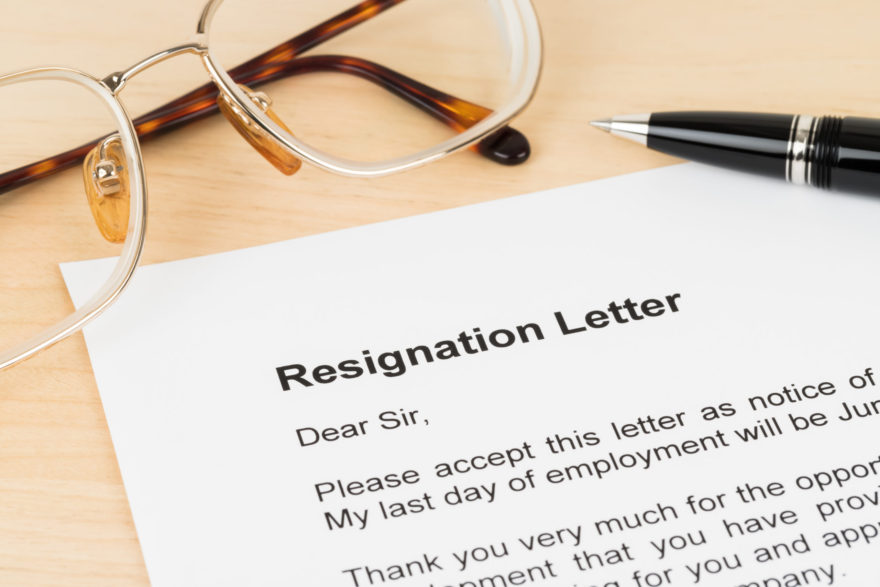
Quitting a job is never easy, but the most anxiety-inducing part can be the thought of facing your boss and telling them you are leaving. That is why formalizing your resignation through a letter has become a business standard. In fact, when you give just a verbal resignation, employers will often ask you to submit written notice anyway. So, writing a resignation letter is not only a smart way to approach a potentially awkward situation, but also it’s often expected by employers. Here’s a guide to writing a resignation letter that will keep you on good terms with the company and preserve the integrity of the all-important reference for your professional future.
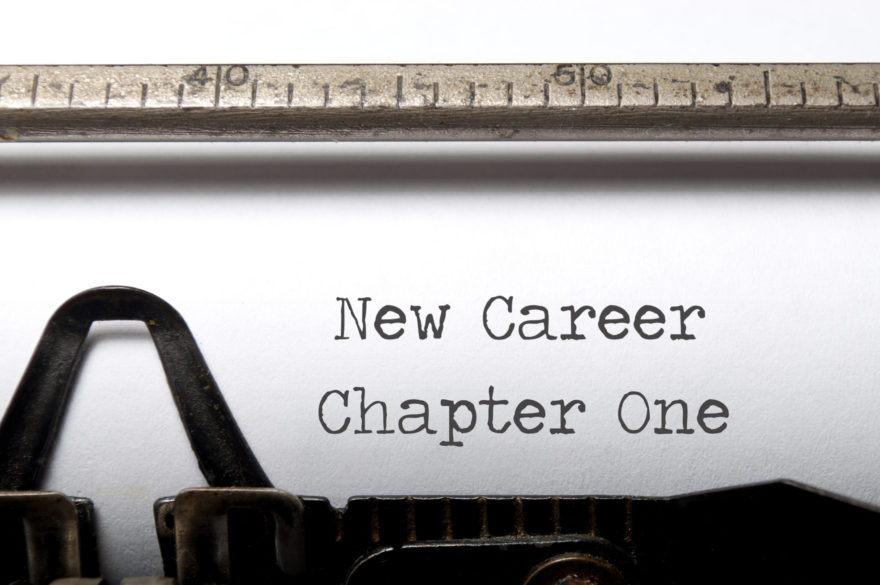
Career Change Checklist
Starting over in a new career field is an exciting, overwhelming prospect. Usually, the consideration of a career change begins with daydreams, research, and consideration of the pros and cons. But when the time finally comes to act on your instinct and chase your dreams, all that thinking and planning doesn’t easily translate into action.
We created this career change checklist to help you begin, as well as to keep you on track during the process of training and finding a new job. By keeping this guidance in mind, you can navigate the uncertainty and achieve your goal.

Five Ways to Spot a Fake Job Posting
Fake job postings have been around for a long time, even before the Internet. But high unemployment and a trend toward digital job listings has this crime on the rise. The FBI has been collecting a high volume of fake job posting reports since 2019, including reports of an average loss of $3,000 per victim. Cyber criminals use fake websites or emails to steal personal information and compromise a person’s identity. Here are five ways to spot a fake job posting and avoid getting scammed.
Emerging Remote Job Markets
Many people believe that remote work became a trend in response to the Coronavirus pandemic. While the need to shelter in place certainly got more companies on board with the idea of work-from-home, the truth is that remote work has been on the rise for a long time. According to a study by Flex Jobs and Global Workplace Analytics, there was a 159 percent increase in remote work from 2005 to 2017. Today, 62 percent of employees age 22 to 65 work remotely at least on occasion.
Now that remote work has become more accepted and common, many professionals are wondering how to break into emerging remote job markets, whether geographically or based on their industry. Here’s what job seekers and recent graduates need to know about remote work and how to build a career you love while at home.
Emerging Remote Work Careers and Industries
According to MarketWatch, there are at least 20 job titles and career fields that have seen an uptick in remote work listings since the start of 2020. Here are a few of the most popular work-from-home job titles growing this year:
Accountant: The Bureau of Labor Statistics predicts that the need for accountants will grow 10 percent by 2026.
Engineer: From aerospace to software to roads and infrastructure, engineers design the machines, equipment, and environment that inform our lives.
Teacher: With online K-12 schools growing in popularity even before the pandemic, it’s possible to fully build a teaching or tutoring career from your own home.
Nurse: Telehealth and other advancements in technology have created greater demand for nurses to remotely conference with patients and answer their questions.
Writer/Editor: Demand for online content marketing is also on the rise, with this sector expected to grow 6 percent by 2026.
Program/Project Manager: These professionals guide the success of a project from beginning to end, coordinating success even outside the office.
Business Development/Sales: From entry level opportunities to sales and business development managers, these professionals help businesses grow.
Web Developer/Designer: The tech industry in general is especially full of opportunity for remote workers, including coders and designers for software and the web.
How to Get a Remote Job
One key to landing a remote job you love is determining what really motivates you and finding the company culture and position to match. Though a majority of people would prefer to work from home some of the time, only 12 percent of people want to work from home all the time. This means hybrid positions or roles with an opportunity to spend some time with colleagues in-person could be right for you.
Plus, even a remote job might still have some limits based on your geography. Even though remote work empowers professionals to work anywhere, a lot of remote positions do still require state-specific residency or licensing, depending on the industry.
If you’re looking for a remote job, there are many great remote work job boards that can help you focus on a specific industry or role. Whether you want to start a freelance business or find a full-time role, the time has never been better to take control of your work environment and future. We wish you the best of luck. We also encourage you to rely on the connections of the Alpha Kappa Psi network for advice, connections, and support. Even from a distance, we are cheering you on!
The Dos and Don’ts of Cover Letters in 2020
When graduates begin applying for those much-anticipated first jobs out of college, much emphasis centers on the resume. This is often seen as the holy grail for recruiters, and certainly dominates the online community’s efforts to help graduates land that all-important interview with their dream company. But it’s important to remember how big a role cover letters could play in making you stand out as an applicant. These additional, yet not always required, documents help you speak about yourself in a compelling, original way.
However, just like with resumes, we see a lot of common do’s and don’ts in the cover letter templates that are found online. So let’s look at the three best and three worst cover letter trends for 2020.
The Do’s of Cover Letters in 2020
- Match the tone and verbiage of your resume. Your resume will likely be the first time that a job poster, as a company and the employer, will engage with you. While cover letters are a chance to be more personal, you’ll want to avoid slipping into an informal tone. Additionally, your cover letter should only reference the experience or skills you listed on your resume.This includes matching skills and professional experience. You can reflect on your resume and use it to guide your cover letter’s approach. What makes you most excited about the opportunity to work for this company? Which of the skills or experience on your resume matches up to those expectations? Highlight these as much as you can.
- Tailor made is always the way to go. One of the biggest mistakes that applicants make in writing cover letters is to use the same one for every job in a specific industry. We understand that no one wants to write 30 unique cover letters, so you may consider looking for areas in the letter that could be left the same, like describing your background, and others that are more open to revision, such as why you want to work for the company.
You can see in this template example that employers and hiring managers are able to spot those telltale signs of a copy-and-pasted cover letter. Instead, they suggest using the time it takes to write a new cover letter as a chance to revisit the job posting. Consider if anything has changed since drafting your resume, either professionally or personally.
- Focus on the cultural fit. Statistics in hiring have shown a rise in the importance of ensuring an employee or potential hire is contributing to the greater good of the workforce. You don’t need to dedicate entire parts of your letter to defining their culture and comparing yourself to those spaces. Instead, you can find subtle places to slip it in throughout the text.
For instance, this template shows how light touches in the introduction or experience sections can include some of the keywords the company uses to define their own culture. If you’re unsure of what it’s like to work there, check out their social channels, or try reaching out to someone with experience there.
The Don’ts of Cover Letters in 2020
- Try not to tell the same story twice. Cover letters play an interesting role in the application process. While your resume works as a formal introduction to your education, work history, and professional skills, the cover letter is a chance to inject personality and color into your application. That’s why recruiters say they find it disappointing when applicants end up restating their resume.
“The employer already has your resume,” said Amanda Augastine, a career advice expert for TopResume. “Focus on making your career narrative and relevant qualifications crystal clear.”
Again, return to the job listing and the company website. How do you picture yourself fitting in, and what about your experiences might match the narrative of the employer? Anything to give it that personal touch will play a big role here.
- Soft skills are great, just not when they’re boring. While hard skills like JavaScript proficiency or bookkeeping illustrate whether you can do the job, the soft skills are what help the hiring manager understand how you would handle those responsibilities. They’re not something you can learn in a webinar or from a blogger’s feed. You learned them yourself! Soft skills may not be as immediately attention-grabbing, but these are rooted in who you are and what your life experience has been.
Cover letters also have limited space, and filling up the letter with basic statements like being “dependable, honest, and a team player,” will not provide much personality, as one hopes any applicant would share those basic qualities. Do any of your soft skills have a story behind them? Building narrative throughout the cover letter adds a sense of completeness and authority.
Perhaps you’re dependable because your father taught you while you were double checking paperwork at his car dealership on a humid summer evening. Maybe your team player attitude was developed while interning at a lab last summer? Anything that elevates those soft skills above buzz words is ideal. Here are some perfect examples for you to consider in this soft skills cover letter template.
- Don’t forget to close out strong.
The ending of your cover letter isn’t a boilerplate farewell; this is your last chance to go after the interview. Sure, it’s unlikely to come down to the final few words, especially if you’ve already dazzled them in the early sections and resume. But just like you would when leaving a physical interview, there’s a need to write as if you’re looking the recruiter directly in the eye and topping it off with a firm handshake and confident exit.
It doesn’t need to be a big, emotional statement; all you need is to reiterate your interest and then talk next steps. Rather than telling the company you’ll await their call, describe exactly when you’ll be available next week. Say that you “look forward to speaking in person.” It may sound like a silly trick, but this kind of hard-headed gusto can be impressive. Check out these examples of amazing and confident closing lines to cover letters.
Cover letters are the perfect addition to a resume. While resumes are pointed, precise, and left brain-leaning, your cover letter allows a chance for the personality and creativity of your right brain to take center stage. While this list is a good start, there is no shortage of excellent cover letter templates and examples that can help get you out your head and write something completely new about yourself. Happy job hunting!