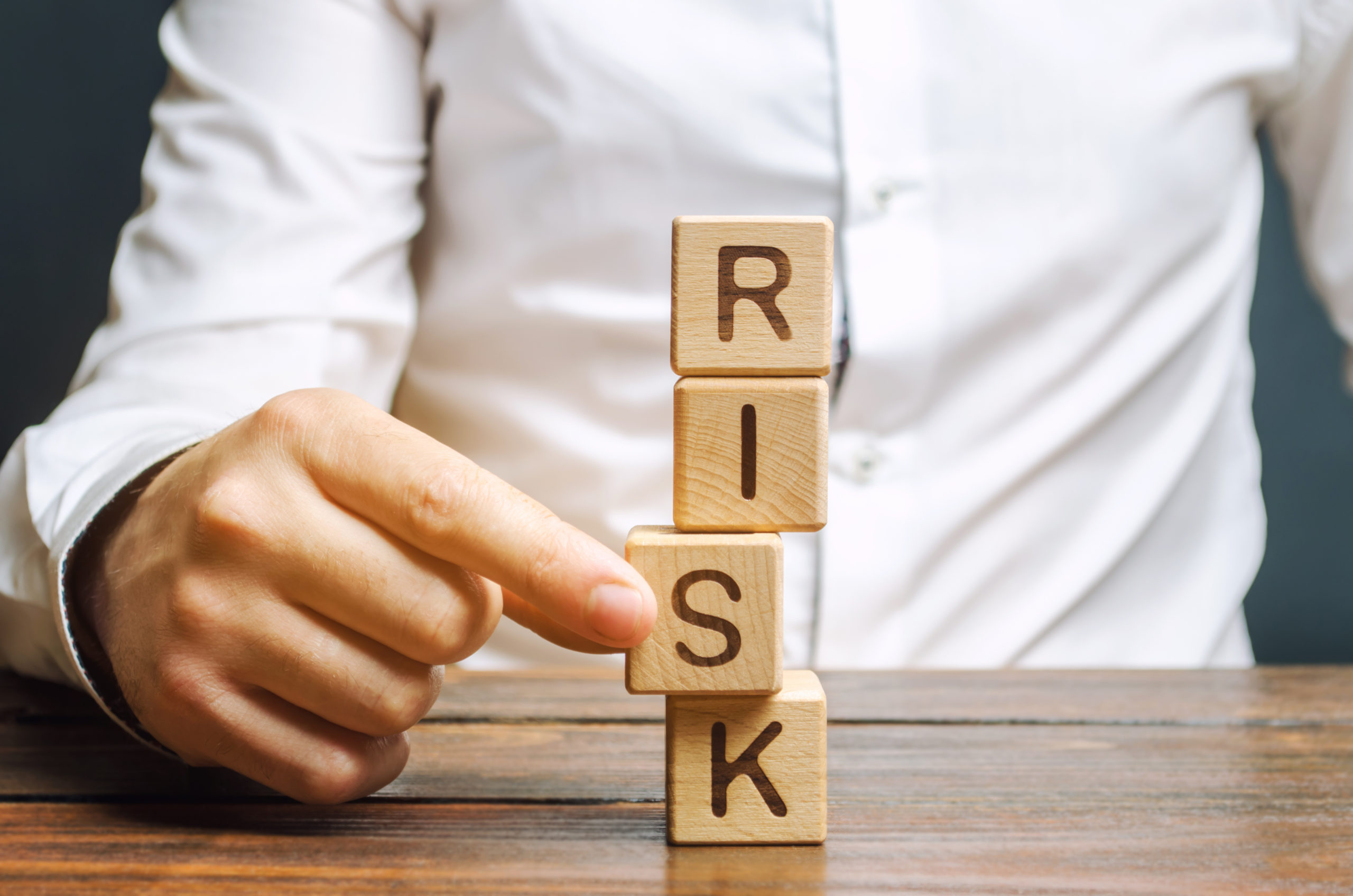
Whether making an investment, changing careers, planning a residential move, entering a relationship, or starting a business, there are many times in life it’s best to look carefully before you leap. In other words, you want to ensure the risk you are taking is a calculated one. A calculated risk is taken after you consider all the hazards, potential impact, and possible rewards of your action or inaction.
Before taking major risks, we all wish for security and that rolling the dice will pay off. While nothing in life is guaranteed, following the steps of due diligence described in this checklist can help you feel more confident taking the next big step.
Qualitative Risk Analysis Checklist
Qualitative risk analysis means thinking through the specifics of your risk, including the probability of the outcome for which you are aiming. For instance, if you are planning a move to get new career opportunities, will your target city be home to what you want? In established business procedures, this evaluation involves putting your risk on a matrix to get a visual for just how, well, risky it really is.
Even without defined project management procedures at work, a qualitative risk analysis process helps you identify opportunities to minimize threats to your success while making the most of potential. These steps also will help you determine where to focus your time and effort.
- Get Real About the Actual Risk: While you might not want to go so far as using a project management risk matrix, you can still assess your choice on a spectrum. If this risk doesn’t pay off, will it be a minor inconvenience, a moderate disappointment, or a major catastrophe? Putting the consequences in perspective is the essential first step.
- Be Honest About Potential Harm: Next, consider who is likely to suffer harm in the case that the risk doesn’t pay off. You might begin by disregarding your own harm, but we encourage you to consider that carefully. Even if no one else will be implicated, causing yourself personal or professional ruin is still a mighty set of circumstances.
If your peers, family, friends, or colleagues are also drawn into the risk zone, be fully honest with yourself about how they will be harmed. This could be as minor as their shared sense of hurt at your setback, or as major as the loss of their investments or livelihoods.
- Brainstorm Precautions and Responses: Once you have gotten a little doom-and-gloom about the consequences of the risk going bad, take a step back and look at everything that would have to happen to get you there. What can you do now, or in the future, to stop those harms from taking place? If one or more bad consequences were to manifest, how could you work around it to still succeed in the risk?
- Document Your Analysis: Once you’ve plotted out the full spectrum of consequences, actions, and outcomes that could manifest from the risk, it’s a great idea to write it down. In cases like a business, this could be legally required. There are many free risk assessment templates you can use to document personal and professional risk analyses.
- Revisit the Risk: Now, take a step back and consider the risk again. How do you feel about the decision now that you have thought all this through? You might find that you’ve talked yourself out of the decision, or that you want to approach it with a new strategy. This is the purpose of calculating a risk—so, great job!
Quantitative Risk Analysis Checklist
Quantitative risk analysis is a well-defined procedure in industries like manufacturing, chemistry, and engineering. In these fields, data is collected surrounding projects, making it easier to use that data in protecting against future pitfalls. But even when calculating a risk of a personal nature, bringing data and analytics into the process can help clarify the decision and clear a path through any heavy emotions. In fact, once you’ve completed the qualitative assessment above, moving right on to these objective elements will help truly define your approach to the future.
- Ponder the Timeline: One piece of data you can estimate and plan for in early stages of a risk is the timeline. For a risk like a move or career change, when would you like to see your decision pay off? You can work backward from there to determine how quickly you’ll need to plan and take action. Other risks like starting a business might require setting an outside boundary around how long you try before taking a step back.
- Consider and Tally Any Costs: Along with the timeline, take steps to research and document costs associated with your decision. Will you need to take continuing education courses, pay moving costs, or invest in something else? This step could send you back to brainstorming alternatives and workarounds if the cost alone is prohibitive.
- Assess Other Due Diligence: Outside time and money, there is other research you can do to measure if the risk will be a worthy one. Explore your network to see if there is anyone you can call on for anecdotes and insights about a similar risk they took in the past. Look for research and data about your new target industry or city of residence. Even a simple search engine could lead you to stories of how risks like yours paid off in the past, and what those individuals did to make their goals a reality.
- Track Your Own Behavior: There’s also the element of your own behavior that can be measured before taking a risk. In some cases, the success and payoff of a risk will be directly linked to our own habits and work ethic. If you aren’t sure whether you are equipped to carry the risk across the finish line, try smaller steps and see if you are able to sustain them. For instance, if you want to learn a new career, try taking a free online class before enrolling in school. If you want to start a business, see about starting a side hustle instead. If the minor changes in your day-to-day habits don’t stick, you might have an answer about whether the more serious risk will be worth it.
- Revisit the Risk: Once you’ve done this fact-finding and gathered the numbers, you will have more objective insight into the risk you are calculating. With the timeline, costs, and data in front of you, does the risk still seem like it will be worth it?
In life, we all must take risks, and not every risk is going to pay off the way we imagine. But by measuring our expectations from the beginning, and planning carefully, we can make better choices about our risks—and do more to make sure the risks we choose are successful. We encourage you to revisit this checklist every time you feel uncertain about an opportunity and use these steps to orient your thoughts and feelings.